SMT stencil factory in Zhongshan, China
A stencil manufacturer in Zhongshan, Guangdong — in the Pearl River Delta, China's electronics manufacturing heartland.

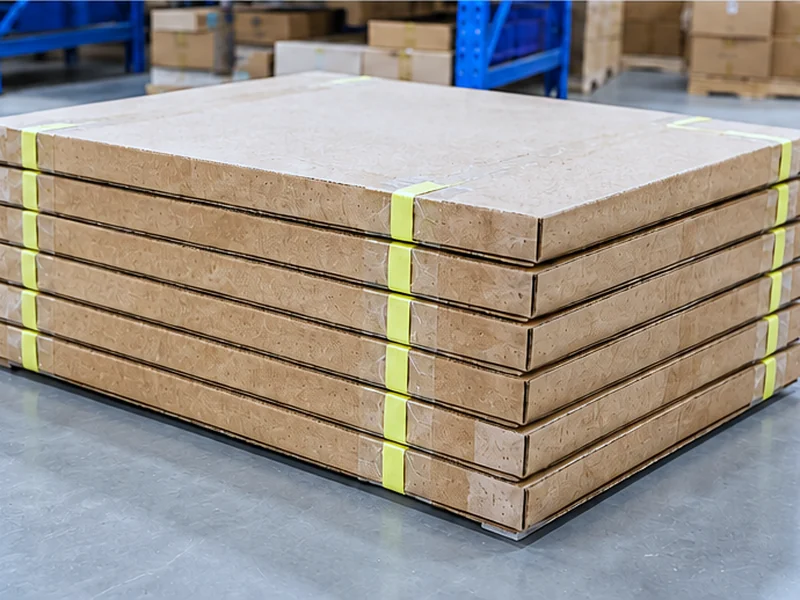
Who we are
We make SMT stencils in Zhongshan, Guangdong. Our customers are PCB assembly houses, EMS providers and electronics manufacturers, mainly in the United States and Southeast Asia. Stencils are the only thing we produce, which is why we can keep our attention on it.
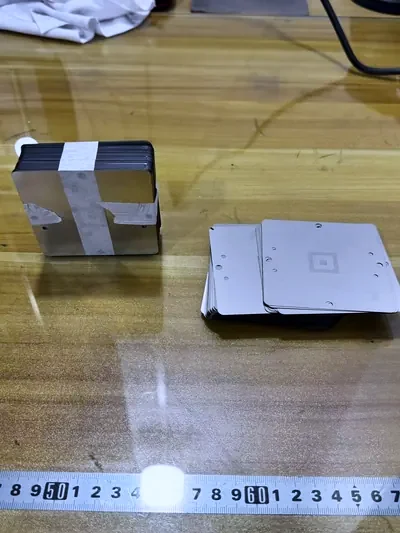
What we make
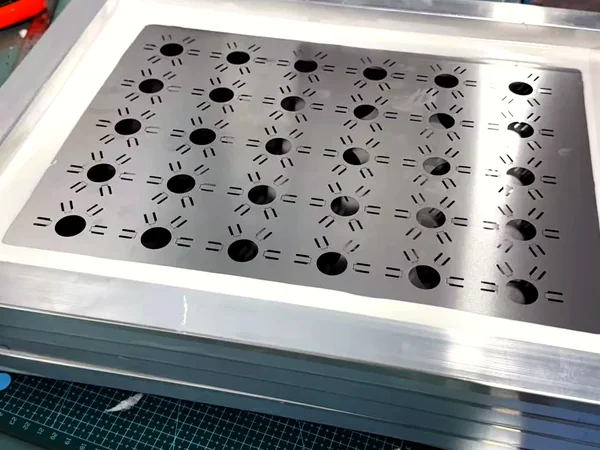
Framed, frameless and step stencils, cut from stainless foil. Tell us the board and the process, and we will tell you which one suits it.
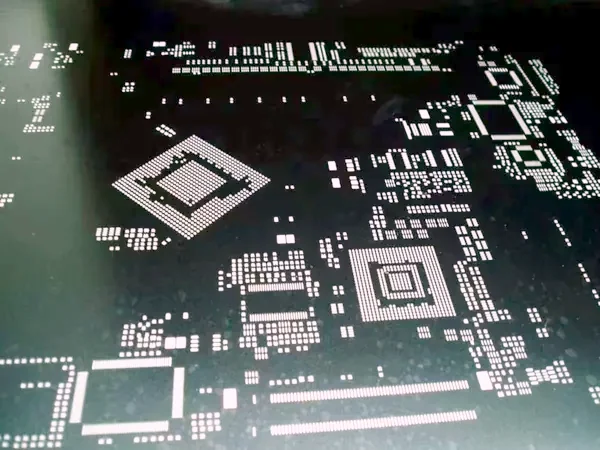
Before anything is made
Every order is quoted first. We review your requirements, confirm the specifications, price and freight with you, and only then start production. You approve the details before you pay.
From Gerber file to packed stencil
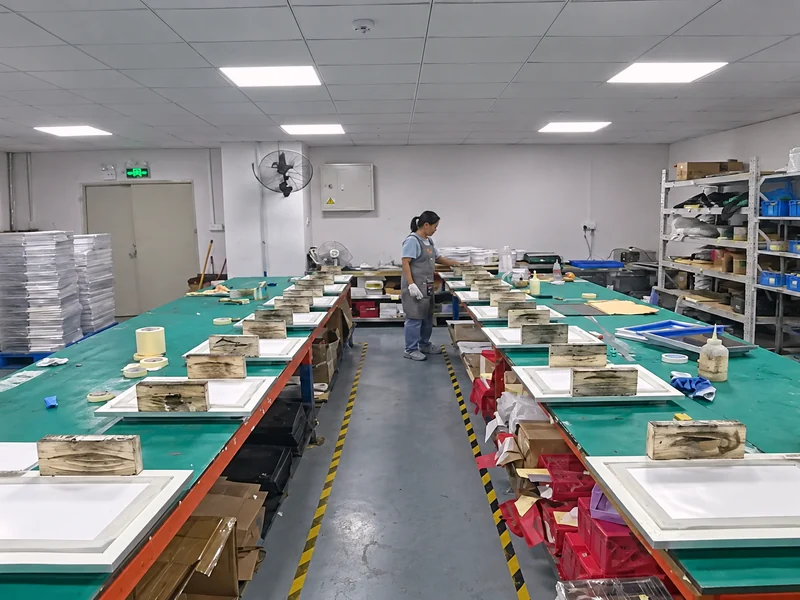
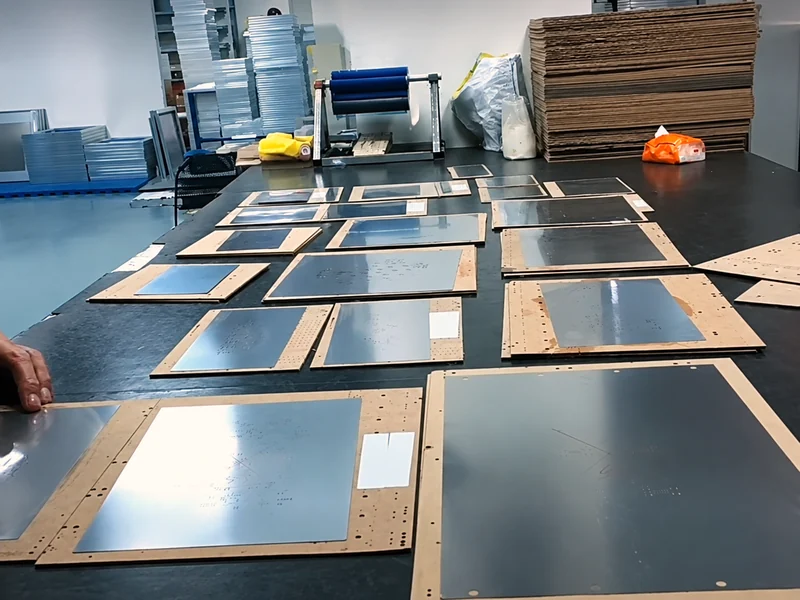
Every stencil is cut, tensioned and packed in our own workshop. These are photographs of the actual floor — not stock images.
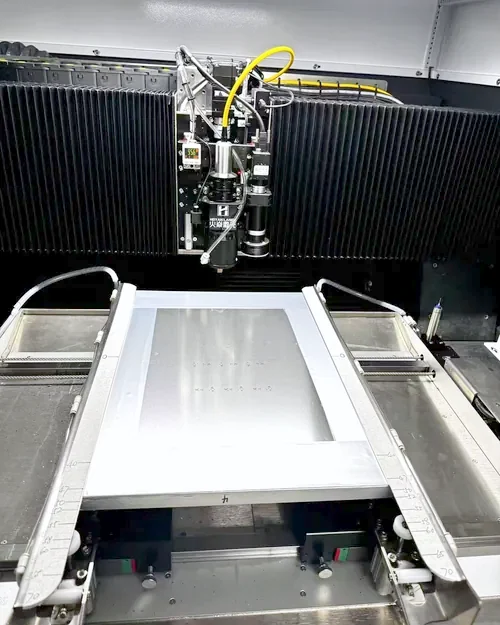
Fiber laser cutting, our workshop
- Fiber laser cutting of stainless foil
- Framing and mesh tensioning in-house
- Electropolishing and nano coating
- Aperture inspection under magnification
- BGA reballing and IGBT stencils
- Cleaning, packing and export shipping
Tell us the board you are printing and we will tell you which stencil it needs — even if that means sending you a thinner spec than you asked for.
Understanding stencil specifications
A short guide to the options you choose when ordering. If you are unsure what your board needs, send us the Gerber file and we will advise.
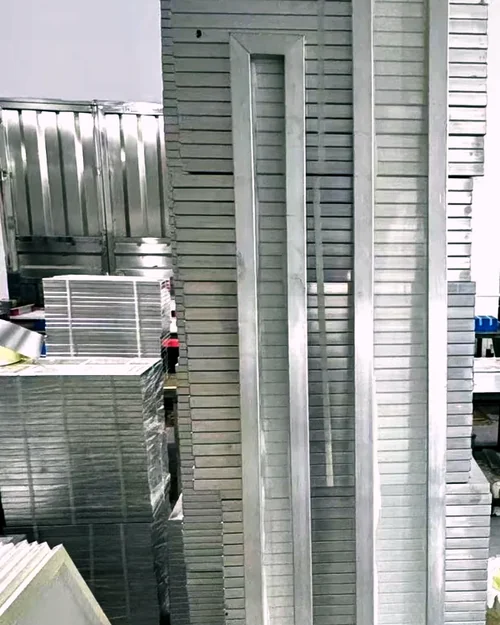
Frame size
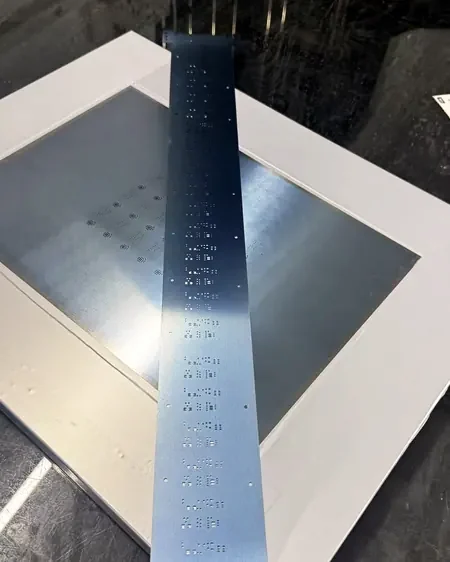
Stencils mount into the printer on a frame. Common sizes are 584 × 584, 550 × 650 and 736 × 736 mm, plus the 400 mm-wide series from 400 × 600 up to 400 × 1500 mm. Which one you need depends on your printer model and the largest board you run.
Foil thickness
Thinner foil deposits less solder paste. Values run from around 0.08 mm for fine-pitch work up to 0.30 mm for large through-hole joints. 0.12 mm is a common starting point for mixed boards.
Aperture and area ratio
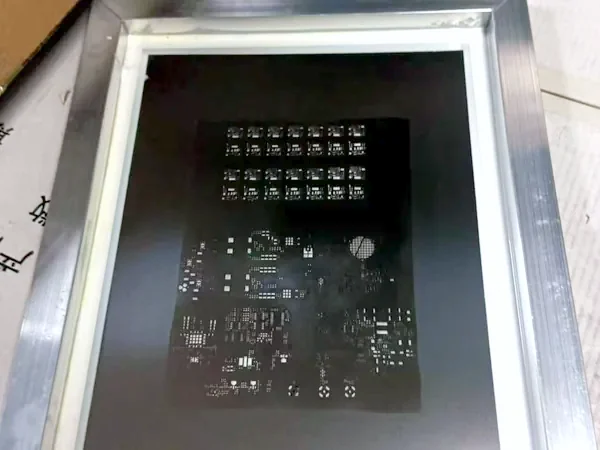
Apertures are the openings the paste passes through. As a rule of thumb, the opening area should be at least two thirds of the aperture wall area, or paste will not release cleanly. This is what limits how fine a pitch a given foil thickness can print.
Surface finish
Laser cutting leaves a slightly rough aperture wall. Electropolishing smooths it and improves paste release. Nano coatings reduce how much paste sticks to the foil, which cuts how often you have to clean it.
Frame tension
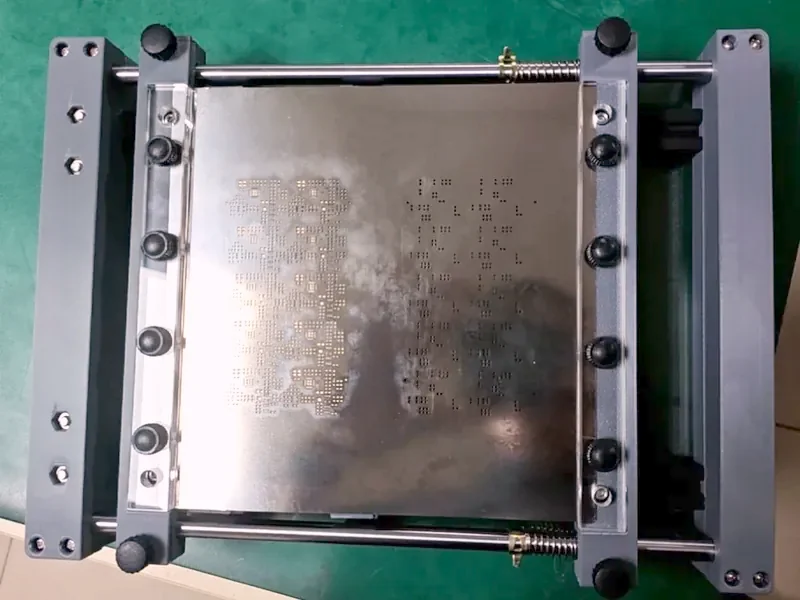
On framed stencils the foil is stretched into the frame. Even, adequate tension keeps the foil flat against the board during the print stroke, which matters most on large boards.
Not sure what to order?
Send us your Gerber file and tell us what you are assembling. We will tell you which stencil type and thickness suits the board, and quote it.
Talk to us on WhatsAppCertifications
Ask us for documentation if your purchasing process requires it.
Need a price today?
Pick your specifications and see the price immediately, or send us a message and we will get back to you.